Suno AI allows you to generate complete songs with vocals, instruments, and custom lyrics using simple text prompts. Whether you are an absolute beginner looking to experiment or a creator exploring AI audio tools, the platform provides an accessible entry point without requiring traditional music production skills.
Understanding Suno's Free and Paid Tiers
Before diving into creation, it helps to understand how Suno manages platform access and limits. According to official platform documentation, the Suno Free Plan provides 50 credits that renew every single day. This daily renewal gives you enough fuel to generate roughly 10 songs daily.
However, keep in mind that the free tier comes with specific boundaries. Free users do not hold commercial use rights for the music they create, meaning you cannot monetize these tracks on streaming platforms. Additionally, features like stem separation and add-on credit purchases are reserved for paid subscription tiers such as Pro and Premier. If you plan to release music commercially, you will eventually want to upgrade.
Step-by-Step: Creating Your First Song on Suno
Getting started takes only a few minutes. Follow these practical steps to generate your very first piece of AI-generated music:
- Sign Up for an Account: Visit the official Suno AI Music Generator platform and sign in using your preferred authentication method, such as Google, Discord, or Microsoft.
- Navigate to the Create Tab: Once logged in, head over to the creation workspace. You will see a text box for your prompts.
- Choose Your Mode: Toggle between simple mode (describing the style and mood in a few words) and custom mode (entering your own lyrics and specifying precise genre descriptors).
- Write Your Prompt or Lyrics: For a quick test, type a genre descriptor like "upbeat indie rock about summer road trips" in simple mode. If using custom lyrics, paste your verse and chorus structures into the designated lyric box.
- Hit Generate: Click the generate button. Suno will process your request using its text-to-music engine, producing two song variations that you can play directly in your browser.
Best Practices for Writing Music Prompts
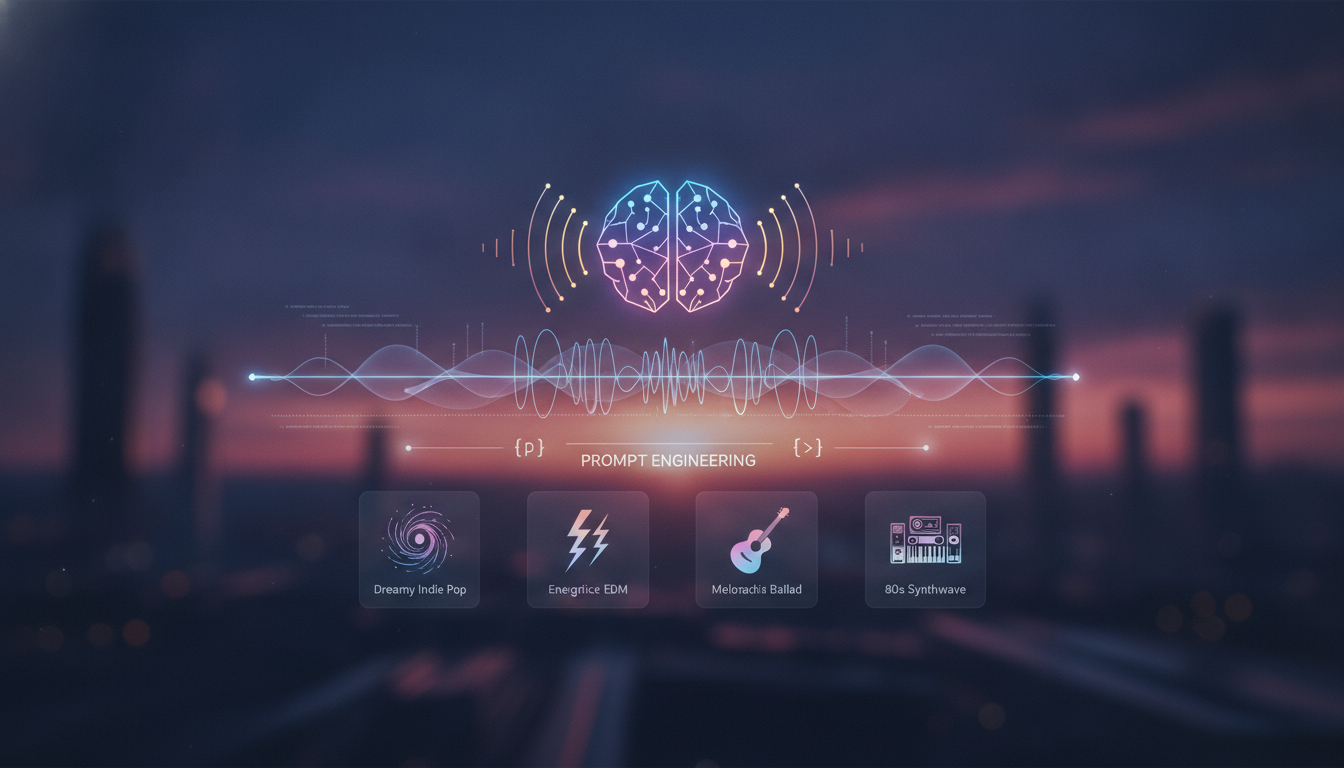
The quality of your output depends heavily on how descriptive your prompts are. Instead of generic terms like "good song," combine specific genres, instruments, and vocal styles. For example, writing "melancholic lo-fi hip hop, dusty vinyl crackle, soothing female vocal, slow tempo" gives the AI clear directional cues to shape the atmosphere, arrangement, and vocal delivery.
Experiment with variations if your first generation does not hit the exact mark. AI music generation often involves minor trial and error, and tweaking your descriptive tags will quickly yield better results.